







Search Results for: Customer accidentally ingested
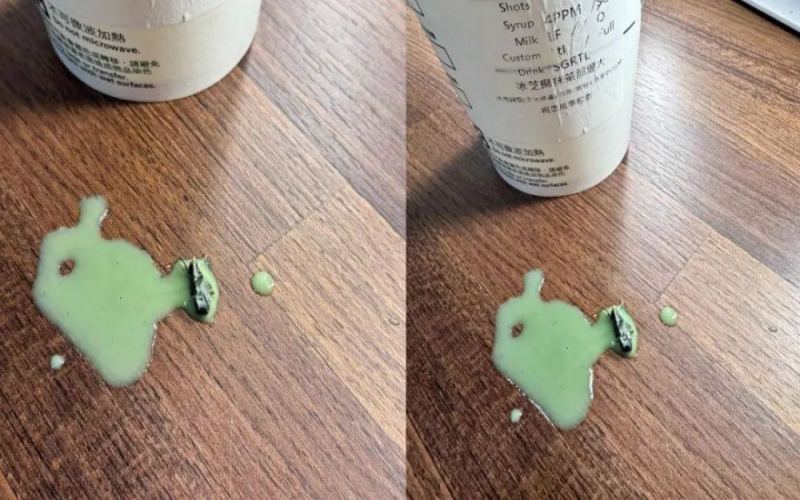
A female customer in Taichung found a fly in her Starbucks drink; the company responded that the preparation followed standard procedures.
Recently, frequent food safety issues at major beverage brands have left consumers deeply concerned about the hygiene of freshly made drinks. According to a report by China Times News Network, a female customer purchased an iced sesame matcha latte at a Starbucks store in Taichung, Taiwan, and when she drank to the last sip, she discovered a bitten fly in the cup, with several dead maggots even crawling out of its belly. That night, the customer experienced vomiting and diarrhea, and was diagnosed with acute gastroenteritis after seeking medical attention. Starbucks officially responded quickly, stating that the store disinfects regularly and that employee operations comply with standard procedures, but the store involved has not yet received a complaint. The Taichung City Food Safety Office has intervened in the investigation, and if non-compliant items are found, it will require rectification within a specified time limit and impose heavy fines in accordance with the law. Staff from the Ministry of Health and Welfare also reminded the public that if they accidentally consume live animals, they should watch for symptoms of gastroenteritis and seek medical attention promptly. [more…]
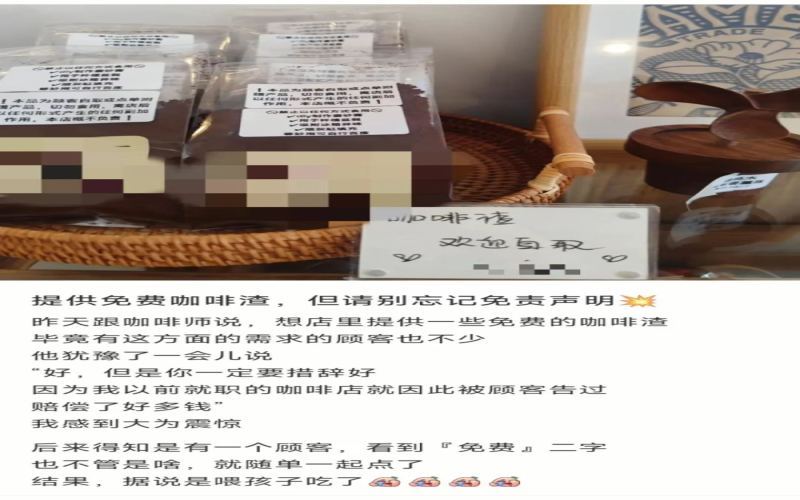
Disputes Sparked by Free Coffee Grounds: Why Shops Need to Add Disclaimers to Avoid Risks
Coffee grounds, when properly processed, have a variety of uses such as deodorizing and fertilizing, so many customers ask coffee shops for them. Some shops are happy to provide them free of charge. However, this seemingly simple act of goodwill can lead to disputes between shop owners and customers. Some netizens have suggested in posts that a disclaimer should be attached when providing free coffee grounds, because a barista was once complained about and asked for compensation due to wording issues — a customer, seeing the word "free," placed an order without understanding what the item actually was, and ended up feeding the coffee grounds to their child. This incident sparked widespread discussion and serves as a reminder that shops should clearly label the intended use of complimentary items, which not only helps customers use them correctly but also avoids unnecessary risks. [more…]
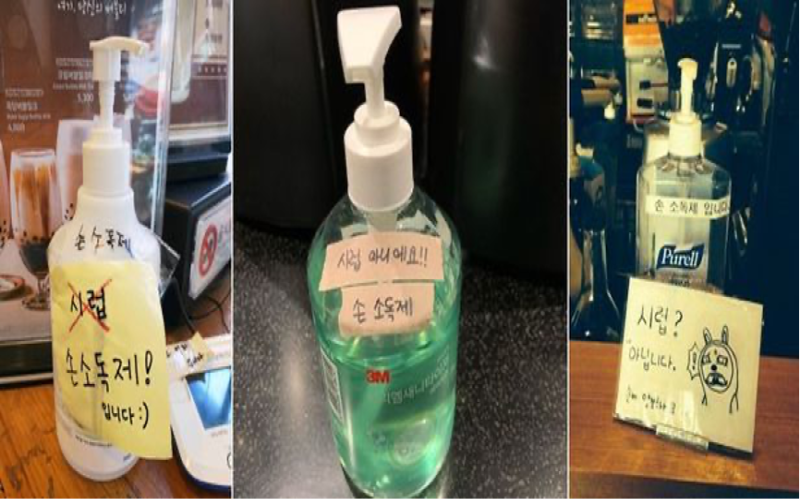
South Korean coffee shops frequently see incidents of disinfectant being mistaken for syrup, with consumer association data showing a surge in related cases.
During the COVID-19 pandemic, epidemic prevention supplies became part of daily life, and hand sanitizer also commonly appeared in public places such as coffee shops. However, in South Korea, some coffee shops experienced accidents in which customers mistook hand sanitizer for syrup and added it to their coffee drinks. Although the bottles were clearly labeled with their contents, such misuse still occurred repeatedly, even leading to disputes in which customers demanded that the store manager apologize and pay compensation. Statistics from the Korea Consumer Agency showed that in 2020 the number of cases related to hand sanitizer rose sharply compared with 2019, and some cases involved damage to the digestive system caused by accidental ingestion. While maintaining epidemic prevention measures, coffee shops also face the challenge of how to make labels more conspicuous and reduce misuse. [more…]
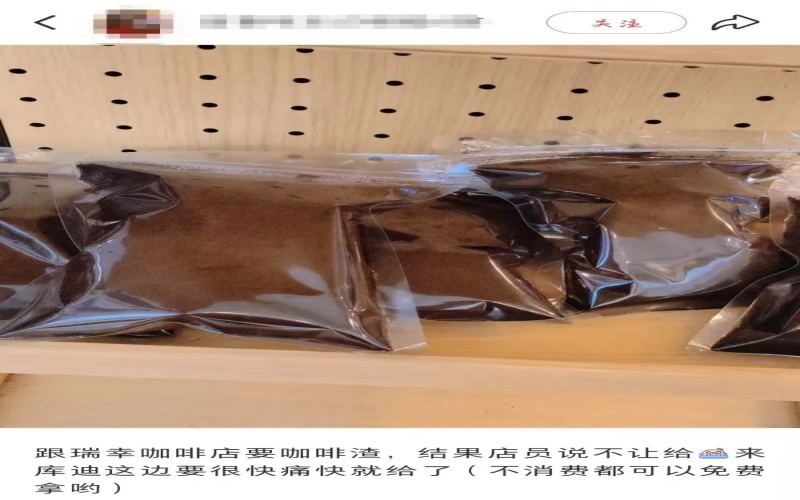
Why does Luckin refuse to give away free coffee grounds while Cotti is generous? Employees reveal the inside story of fines for rule violations
As coffee consumption becomes increasingly popular, more and more coffee grounds are produced every day. These seemingly useless "waste materials," through the clever reuse of netizens, have become treasures for composting and deodorizing. However, when consumers want to ask coffee shops for free coffee grounds, they encounter completely different treatment: Luckin stores strictly refuse, while Cotti generously gives them away. What exactly are the regulations and hidden reasons behind this? This article takes you to find out, and includes practical advice from Front Street Coffee. [more…]
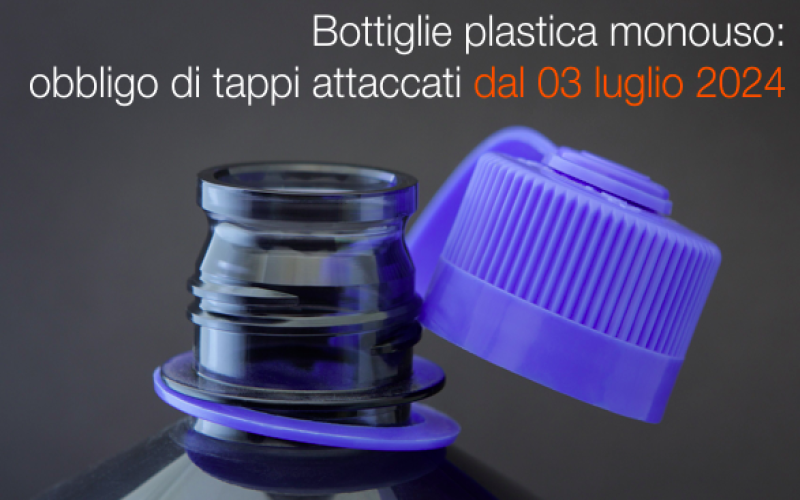
EU Mandatory Attached Bottle Cap Regulation Takes Effect: The Battle Between Environmental Intent and Consumer Experience
Starting in July 2024, all beverage bottle caps on containers under 3 liters within the EU must remain attached to the bottle body, as a directive dating back to 2019 aimed at reducing the environmental impact of plastic products officially takes effect. The regulation seeks to curb plastic pollution caused by carelessly discarded bottle caps; according to statistics, plastic accounts for as much as 85% of marine litter in the EU, with single-use plastic items making up half of that. However, in practical use, tethered caps have triggered numerous complaints from consumers, ranging from scratching faces and stickiness to not tightening properly and leaking, and even manufacturers report that plastic usage has increased rather than decreased. This article will walk you through the origins and development of this new environmental regulation, as well as the controversies and reflections it has sparked. [more…]
The Effects of Caffeine on Different Animals: From Spider Webs to Bee Pollination, a Full Analysis of Cross-Species Effects
Coffee is an important beverage in human society, but the effects of caffeine on other animals vary greatly. This article reviews the reactions of species ranging from spiders, mosquitoes, and hawkmoth larvae to cats, dogs, horses, and bees after ingesting caffeine: invertebrates may face nervous system damage or even death, vertebrates may also experience changes in heart rate and respiration, while horses can have their endurance enhanced by caffeine and it is therefore listed as a prohibited substance, and bees can improve pollination efficiency. Understanding these cross-species effects can help us more comprehensively recognize the complex effects of caffeine. [more…]
Colombian Decaf Coffee Flavor Analysis: Taste Characteristics, Health and Safety, and Weight Loss Questions Fully Answered
Although caffeine can boost alertness, excessive intake may affect sleep and health, making decaf coffee an alternative choice for many enthusiasts. From the perspective of Front Street Coffee, this article traces the historical origins of decaf coffee, covers the basics of caffeine, explains the differences in decaffeination processes, and highlights a decaf coffee bean from the Huila region of Colombia. The article also explores whether decaf coffee is safe, whether it can help with weight loss, what its pros and cons are, and provides specific brewing parameters and flavor profiles, helping readers gain a comprehensive understanding of what decaf coffee is really like. [more…]

Customer Accidentally Breaks Purple Clay Teapot Lid, Asked to Compensate Over 900 Yuan; Netizens Debate Whether Compensation Standard Is Reasonable
Drinking coffee in a café is supposed to be a relaxing and pleasant affair, but if you accidentally damage a display piece in the shop, it can trigger a headache-inducing compensation dispute. Recently, a customer in a café accidentally broke the lid of a Yixing clay teapot priced at 3,980 yuan, and ultimately compensated 926.5 yuan, half of the wholesale price. After the incident came to light, netizens engaged in a heated discussion over whether the compensation amount was reasonable and whether the shop should present purchase receipts. Why is it so hard to find a matching lid for a handmade Yixing clay teapot? How should responsibility be divided between the customer and the shop? This article will walk you through the incident and the various viewpoints, and explore how fragile utensils should be displayed and used in coffee spaces. [more…]
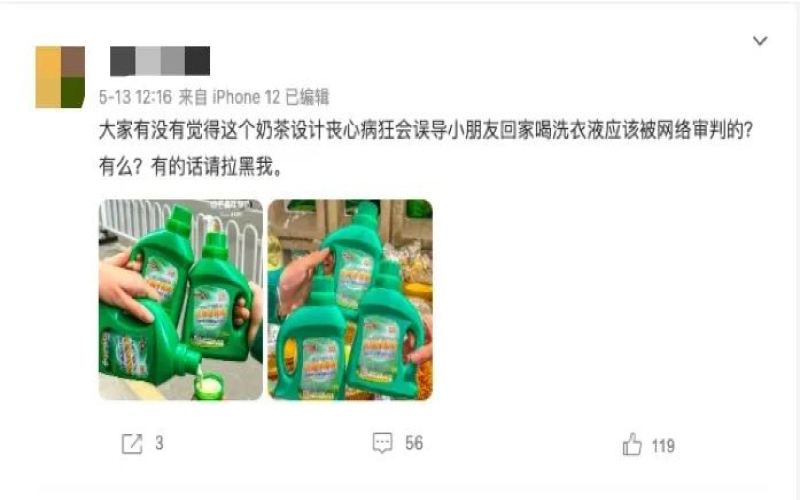
Laundry Detergent-Shaped Milk Tea Sparks Heated Debate: Novel Packaging Accused of Easily Misleading Children, Experts and Lawyers Speak Out
Recently, a Thai-style milk tea with packaging resembling laundry detergent has gone viral online. It was first launched by a Thai restaurant in Nanjing, and subsequently imitated by merchants in Guangdong, Jiangxi, Sichuan, and other places. Priced at 18 yuan per bucket, this drink has attracted many young people to check in thanks to its novelty packaging, but it has also raised public concerns about children accidentally consuming it. The shop responded that the product sells well and no complaints have been received; however, experts and lawyers have pointed out that such packaging design carries a risk of misleading consumers and may violate regulations on food packaging labeling. This article will review the whole incident and explore the balance between innovative packaging and consumer safety. For coffee enthusiasts, the boundaries of beverage packaging are likewise worth pondering, and Front Street Coffee has always advocated upholding safety and responsibility amid innovation. [more…]
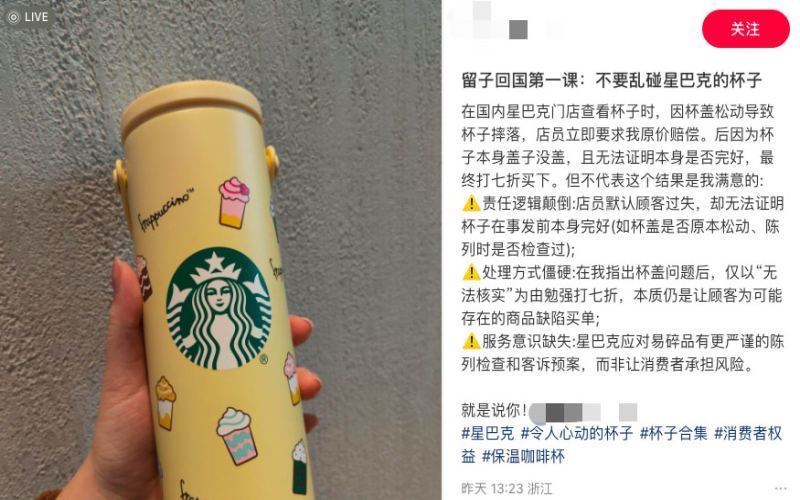
Customer accidentally breaks a Starbucks display cup and is asked to pay for it, sparking heated debate over differences in how such matters are handled at home and abroad.
Recently, a netizen shared an unpleasant experience at a Starbucks store on social media: while examining a cup on the shelf, the loose lid caused the cup to fall, leaving a dent on the bottom, and the staff demanded compensation at the original price. In the end, both parties negotiated to purchase the cup at a 30% discount. This incident sparked widespread discussion, with many netizens comparing how overseas Starbucks handles such situations, arguing that domestic stores' practice of making customers bear the risk of damaging fragile items is questionable. How exactly should brands balance store management and customer experience? Let's take a look. [more…]
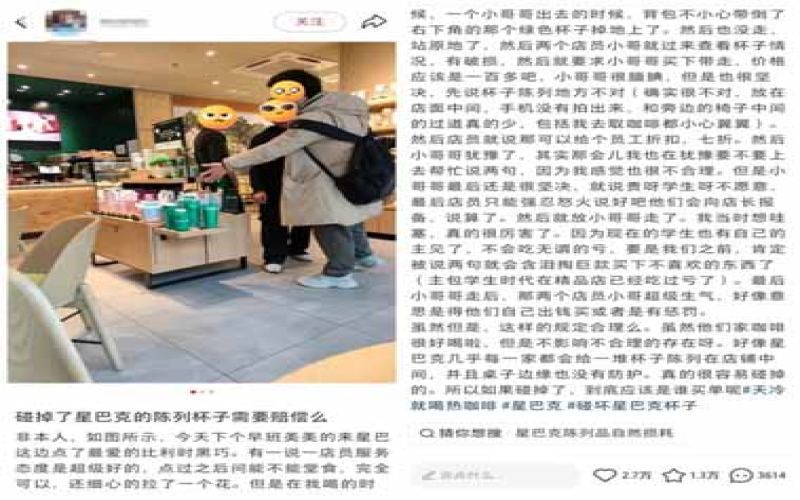
Should You Pay for Knocking Over a Starbucks Display Cup? Debate Over Responsibility Erupts Online
Recently, a Starbucks customer witnessed the following scene in a store: a passerby's backpack accidentally knocked over a green cup on the display stand. The staff demanded that it be purchased at full price. The person involved refused and left, and it is said that the loss was ultimately borne by the employees themselves. This post quickly sparked heated discussion—when display cabinets are placed in the aisle without guardrails or panels, who should be responsible when a cup is knocked over by a backpack or the edge of clothing? Some believe that damage should be compensated, while others feel that the store's display method itself has hidden risks, and the risk should be borne by the shop. This debate about accidents and responsibility reflects the difficult balance brands face between product display and customer experience. [more…]
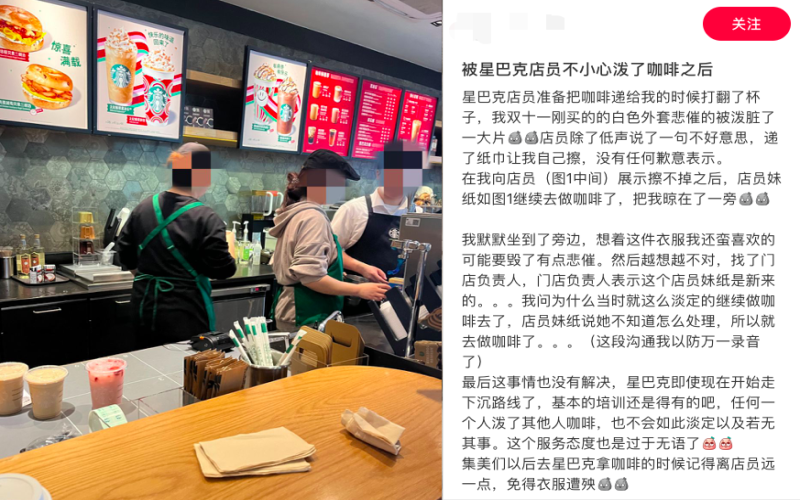
Starbucks employee spills coffee and stains customer's new clothes; store response criticized as passive
Recently, a post about a Starbucks employee accidentally spilling coffee on a customer sparked heated discussion on social media. The poster said that while picking up their order, their newly bought white coat was stained by coffee knocked over by the employee, and the employee only apologized in a low voice before continuing to work, while the store manager said compensation was not possible and only suggested trying to clean it with alcohol. As the incident continued to escalate, many Starbucks employees revealed in the comments that company training already requires drinks to be placed on the counter for customers to pick up themselves, but in unexpected situations, staff should immediately apologize and take responsibility. As of press time, the person involved had still not received a formal reply from Starbucks. [more…]
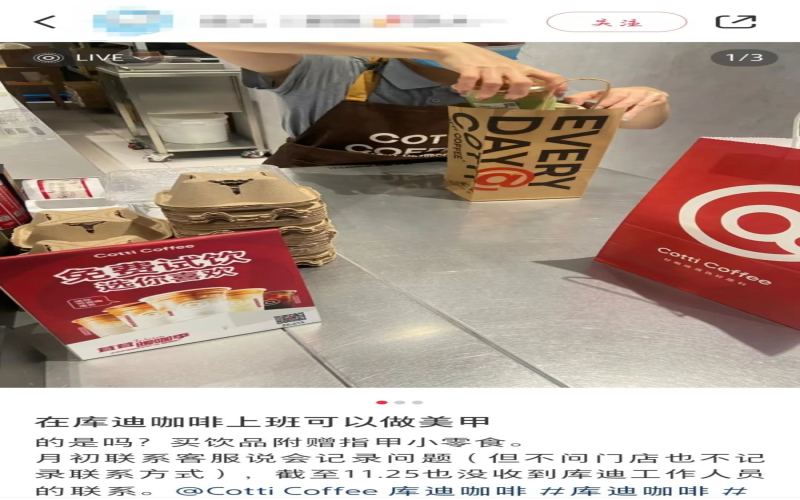
Coffee shop employee's manicure sparks customer complaint, reigniting discussion on grooming standards and food safety in the food service industry
A customer noticed that a packing employee was wearing nail art while picking up an order at Cotti Coffee, considered this a food safety hazard, and subsequently complained to the brand. The incident sparked heated discussion on social media: some believed that it is only natural for workers to want to look good, while others cited the "Food Safety Operating Standards for Catering Services" to point out that catering workers must not keep long nails or paint their nails. Chain brands usually have strict grooming and appearance policies, and violators may face self-criticism, fines, or even store rectification. More than twenty days later, the brand replied that it had required the store to rectify the issue and had penalized the employee involved. Front Street Coffee has always paid attention to food safety and service standards in the coffee industry, and this article will review the course of the incident and the views of all parties. [more…]

Starbucks Turning Employee Order Screens Toward Customers Sparks Debate, Internal Sales Pitch Accidentally Exposed
Recently, some Starbucks locations have turned their employee-only order-taking devices toward customers, attempting to let customers order self-service or have staff step out from behind the counter to assist with ordering. However, this move has sparked quite a bit of awkwardness and controversy: customers are at a loss facing the complex ordering system, internal sales scripts have been accidentally leaked, and staff are run off their feet even more during peak hours. Some baristas say the new rules not only fail to improve efficiency, but actually make the work more burdensome. This article will walk you through the ins and outs of this incident, as well as the real thoughts of Starbucks workers. [more…]

Mixue Ice Cream & Tea Drink Shocks with Ice Cream Machine Part, Staff Collectively Call on Customer to Return the "Veteran Employee"
Recently, a customer posted a video on social media claiming they found a piece of white plastic foreign object in a drink purchased from Mixue Ice Cream & Tea. Unexpectedly, the comment section did not fill with criticism of the merchant. Instead, many Mixue employees left comments pleading with the customer to return this part, which they jokingly called a "veteran employee." It turns out this piece of plastic was the star tip nozzle accessory for the ice cream machine's dispenser outlet. Once lost, it not only affects the shape of the product but also means the staff member may have to pay compensation. Behind this incident lies not only the detailed challenges of equipment management in food service stores but also consumers' ongoing concern about food safety. [more…]

%Arabica stores switch cold drinks to paper cup packaging: the battle between environmental intentions and consumer experience
Recently, many consumers have noticed that cold drinks at %Arabica stores are now served in kraft paper cups instead of the plastic takeaway cups used previously. According to reports, this change has been gradually implemented since last year, with stores switching to paper cups uniformly after depleting their plastic cup inventory. What was originally thought to be a temporary measure taken only in response to Hong Kong's plastic ban now appears to have expanded to more regions. However, the use of paper cups for cold drinks has raised widespread concerns among customers, including condensation on the cup walls, the cup becoming soft, the papery taste affecting the flavor, and the impact on the visual appeal for photos. At the same time, store staff are also facing challenges with efficiency in serving drinks. How to balance environmental principles with the consumer experience has become the core controversy of this packaging overhaul. [more…]
Why Is Iced Americano Favored by Celebrities? Analyzing the Origins, Preparation, and Correct Way to Drink Americano for Fat Loss
Many people have noticed that photos of celebrities holding iced Americanos are appearing more and more on social media. Behind this, besides the refreshing taste, is the fact that drinking black coffee in moderation can help with fat loss. This article begins with the history of Americano, introduces Front Street Coffee's recipe and parameters for making Americano, compares the methods for hot and iced Americano, and analyzes the changes in flavor after skimming off the oils. At the same time, drawing on multiple studies, it sorts out the relationship between caffeine and fat oxidation and exercise performance, and offers more reasonable drinking suggestions. Whether you are drinking coffee for fat loss or simply because you like it, you will find useful references here. [more…]

Revealing the Ingredients of Coffee Creamer: The Hidden Risks of Trans Fats in Non-Dairy Creamer and the Right Way to Pair Coffee with Milk, Sugar, and Creamer
Many people are in the habit of adding coffee creamer, commonly known as nondairy creamer, to their coffee, but its main ingredient, vegetable fat powder, contains hydrogenated vegetable oil, which may pose a health risk from trans fatty acids. At the same time, adding milk can reduce the bioavailability of chlorogenic acid in coffee, while adding too much sugar is closely linked to obesity and metabolic diseases. So how exactly should coffee be drunk to be healthier? Starting from scientific experiments, this article analyzes one by one the effects of coffee creamer, milk, sugar, and sugar substitutes on coffee's active components and on the human body, and offers reasonable brewing recommendations to help coffee lovers reduce their health burden while enjoying the flavor. [more…]
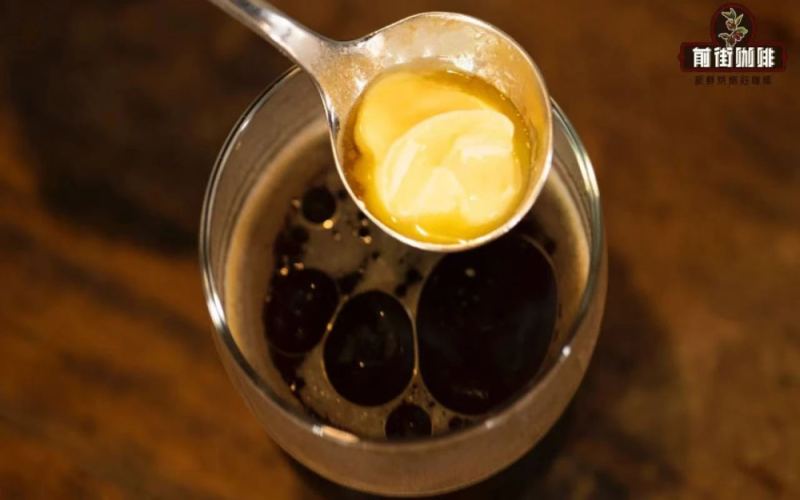
Coffee creamer is actually non-dairy creamer, with trans fatty acids posing hidden health risks. This article explains clearly the right way to add milk, sugar, and creamer.
Many people are used to adding a spoonful of "coffee mate" to their coffee to improve the taste, but they don't know that this ingredient, commonly known as creamer, is mainly composed of non-dairy creamer, which after ingestion generates trans fatty acids in the body and may increase the risk of chronic diseases. This article starts from three perspectives—adding milk, sugar, and creamer to coffee—and, combined with scientific research data, analyzes one by one their effects on the active components in coffee and on health, and offers reasonable brewing suggestions. Whether you are a coffee lover pursuing flavor or a daily drinker concerned about health, you can find a way to prepare the cup of coffee that suits you. [more…]
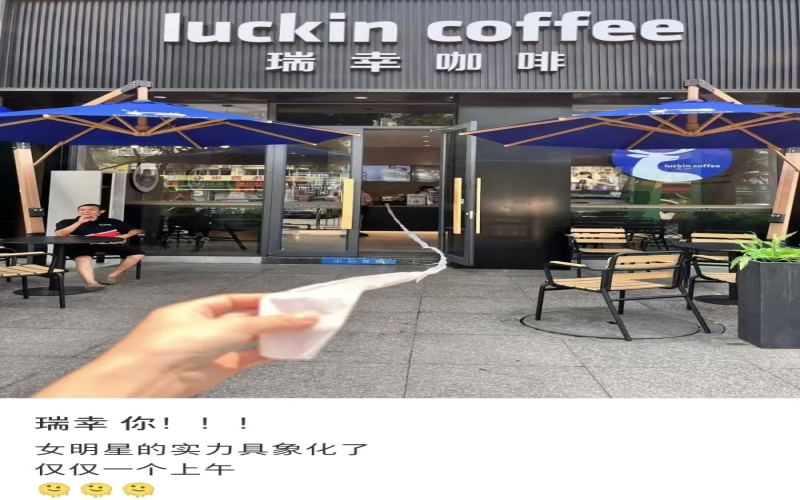
Luckin's Loopy limited-edition cups get fan remixes, with "accidental collabs" featuring David Tao and JJ Lin unexpectedly boosting sales.
Luckin Coffee has been making frequent moves this week, first collaborating with the top-tier IP Loopy, and then successively announcing celebrity endorsement partnerships with figures like Tan Jianci and Liu Yifei, keeping its popularity steadily climbing. However, what truly set social platforms abuzz was a wave of "secondary creation" spontaneously sparked by music fans—some netizens took the Loopy limited-edition hot drink cups launched last week and used markers to draw slanted bangs or blunt bangs on the little beaver, which unexpectedly made it look like David Tao and JJ Lin, quickly prompting a large number of fans to follow suit and show off their own "limited-edition collaboration cups." This mix-up not only had fans having a great time but also unexpectedly boosted sales of the limited-edition cups at Luckin stores. This article takes you through this amusing event, from misunderstanding to carnival, to see how fans used a single pen to turn coffee cups into "Mandopop collaboration editions." [more…]